


NexGard for Dogs: Understanding Flea and Tick Prevention in the United States
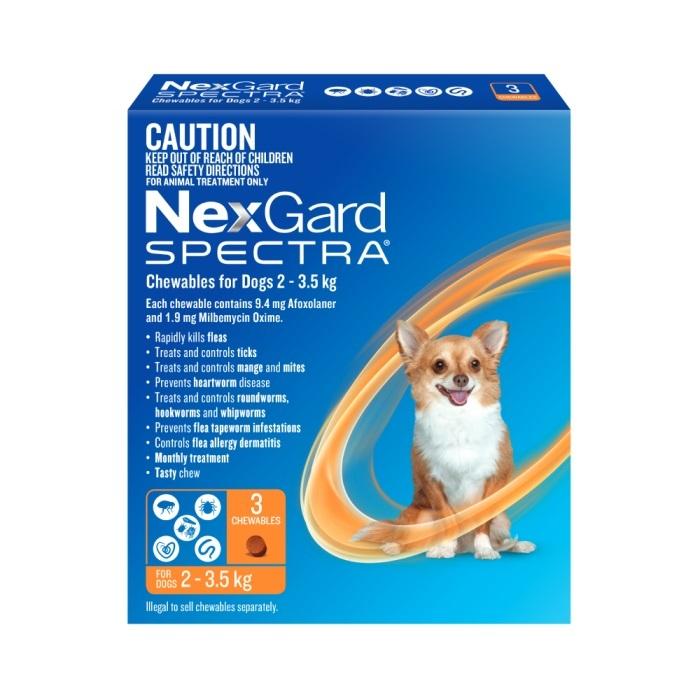
NexGard for dogs is a common search topic among pet owners seeking information about flea and tick prevention. Fleas and ticks are external parasites that can cause discomfort, irritate the skin, and transmit certain diseases. Understanding how preventive medications work, their potential side effects, and the importance of veterinary guidance can help dog owners make informed decisions about their pets' health.
Across the United States, parasite exposure varies according to climate, geography, season, and outdoor activity. Dogs that visit parks, wooded trails, gardens, and other outdoor environments may encounter fleas and ticks throughout the year. An appropriate prevention plan considers the dog's age, weight, medical history, and local parasite risks.
What Is NexGard for Dogs?
NexGard is an oral veterinary medication formulated for dogs to help control adult fleas and certain tick species. Its active ingredient, afoxolaner, belongs to a class of medications known as isoxazolines.
These medications act on specific nervous system pathways in susceptible parasites, interfering with normal nerve signaling and leading to their death. The medication is intended for use in dogs according to its approved United States labeling and veterinary instructions.
The range of parasites covered depends on the product's current labeling. Dog owners should review the package information and consult a veterinarian to understand which flea and tick species are covered.
Why Flea and Tick Prevention Matters
Fleas and Their Effects on Dogs
Fleas are small parasites that feed on an animal's blood. Their bites can cause itching, skin irritation, and persistent scratching. Some dogs develop flea allergy dermatitis, an allergic reaction that may lead to redness, hair loss, and skin inflammation.
Heavy flea infestations can contribute to blood loss, especially in young or vulnerable dogs. Fleas can also transmit certain parasites, making consistent prevention and environmental management important parts of pet care.
Ticks and Associated Health Risks
Ticks attach to a dog's skin and feed on its blood. Depending on the species and geographic region, ticks may transmit diseases such as Lyme disease, ehrlichiosis, and anaplasmosis.
The risk of exposure varies across the United States. Dogs that spend time in tall grass, wooded areas, or locations with substantial wildlife activity may face increased exposure.
Preventive medication can help control susceptible ticks, but it should not be assumed to prevent every tick from attaching. Regular coat checks and prompt removal of attached ticks remain useful precautions.
How NexGard for Dogs Works
Afoxolaner affects certain chloride channels in the nervous systems of susceptible fleas and ticks. This disrupts normal nerve activity and ultimately causes the parasites to die.
After the medication is administered, the active ingredient enters the dog's system. Fleas and susceptible ticks encounter the compound when they feed.
Because the medication works through exposure during feeding, it should not be considered a complete physical barrier against parasite contact. Dog owners should continue monitoring their pets after outdoor activities, especially in areas where tick-borne illnesses occur.
The medication's effectiveness depends on correct administration, appropriate dosing, and the parasite species involved. Veterinary guidance can help determine whether it is suitable for a particular dog.
Administration and Dosage Considerations
NexGard is available as an oral chewable medication in different weight-based strengths. The appropriate strength depends on the dog's current body weight and the product's approved instructions.
Dog owners should verify their pets' weight before administration and follow the prescribed schedule. The medication is generally labeled for monthly administration in the United States, but individual circumstances should be discussed with a veterinarian.
A dose should not be increased, repeated, or combined with another flea and tick treatment without professional advice. If a dose is missed or the dog vomits after receiving the medication, the product instructions and a veterinarian's recommendations should guide the next step.
The medication should only be given to animals for which it is specifically intended. It should not be assumed to be appropriate for cats or other pets.
Possible Side Effects and Safety Information
Like other veterinary medications, NexGard may cause side effects in some dogs. Reported reactions include vomiting, diarrhea, reduced appetite, lethargy, and itching.
Isoxazoline medications have also been associated with neurological reactions, including tremors, uncoordinated movement, and seizures. These reactions have been reported in some animals with and without a previous history of seizures.
A veterinarian should review a dog's medical history before treatment, particularly if the dog has a seizure disorder or other neurological concerns. If unusual symptoms appear after administration, veterinary advice should be sought promptly.
Dog owners should follow storage instructions and keep medication out of reach of children and animals that should not receive it. The current product label should always be consulted for detailed safety information.
The Importance of Veterinary Guidance
Not every dog has the same parasite prevention requirements. Age, weight, health conditions, other medications, lifestyle, and local environmental risks can influence the most appropriate approach.
A veterinarian can determine whether an oral flea and tick medication is suitable and explain its potential benefits and risks. Professional guidance is particularly important for dogs with existing health concerns or a history of reactions to medication.
Veterinarians can also recommend complementary measures, such as washing pet bedding, vacuuming areas where pets rest, and managing flea infestations in the home. These steps may be necessary because immature flea stages can remain in the surrounding environment.
Flea and Tick Prevention in the United States
Flea and tick activity differs across the United States. Warm, humid environments may support prolonged flea activity, while tick species and disease risks vary by region. Some parasites remain active during cooler periods, depending on local conditions.
Dogs that travel between states may encounter different parasites and exposure risks. Regular veterinary examinations and region-specific prevention advice can help maintain an appropriate plan throughout the year.
Combining suitable veterinary care with routine coat checks and environmental hygiene provides a broader approach to parasite management.
Conclusion
NexGard for dogs is an oral veterinary medication used to control adult fleas and certain tick species. Its active ingredient, afoxolaner, acts on parasite nervous system pathways, while correct dosing, awareness of possible side effects, and veterinary guidance remain essential.
For dog owners in the United States, understanding regional parasite risks and individual health requirements supports informed decisions about prevention. A veterinarian can help determine whether the medication is appropriate for a particular dog and explain how it may fit into a comprehensive flea and tick management plan.

 English
 Arabic
 French
 Spanish
 Portuguese
 Deutsch
 Turkish
 Dutch
 Russian
 Romaian
 Portuguese (Brazil)
 Greek