


rewrite the article and title with headings on th keywords 4 time bold keywords
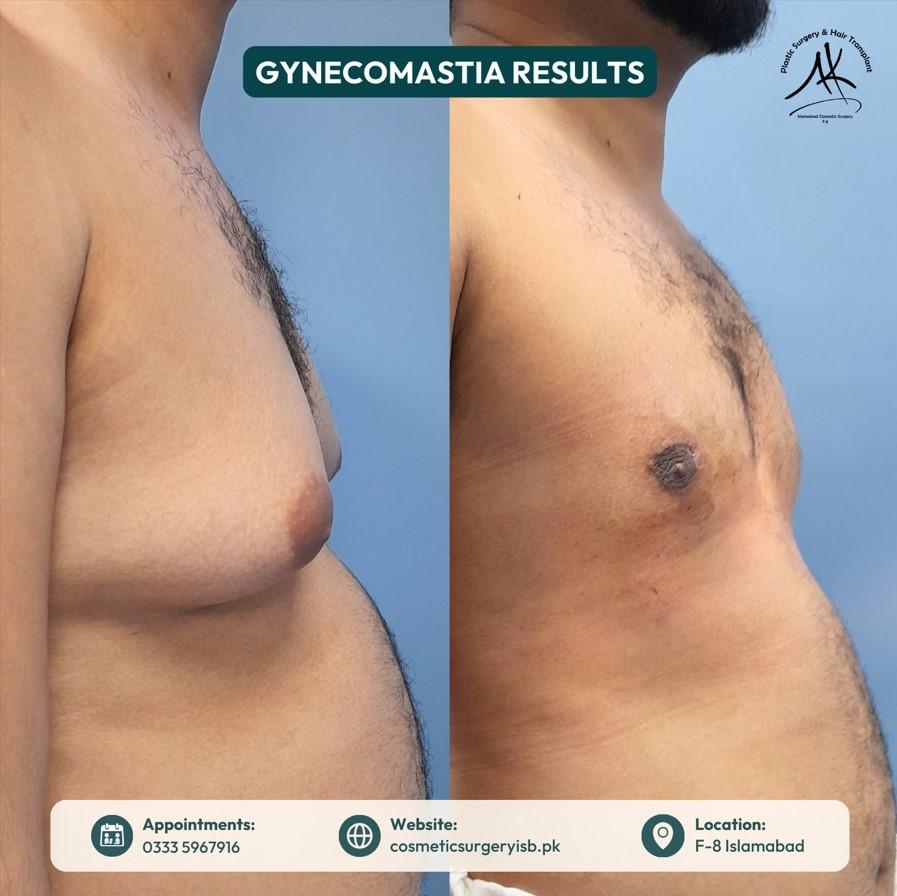
Enlarged breast tissue in men can develop for several reasons, including hormonal changes, certain medications, and some medical conditions. For some men, this may cause physical discomfort, self-consciousness, or concerns about chest appearance. Understanding the cause is the first step toward choosing an appropriate treatment.
If you are researching men breast tissue removal, learning about available treatment options, the surgical process, recovery, and possible risks can help you make an informed decision.
What Is Men Breast Tissue Removal?
Men breast tissue removal is a treatment approach commonly associated with gynecomastia surgery. Gynecomastia occurs when glandular breast tissue becomes enlarged in males. Depending on the cause and the amount of tissue present, treatment may involve observation, addressing an underlying issue, or surgery.
It is important to distinguish glandular tissue from excess fat. Fat-related chest fullness and gynecomastia are different conditions and may require different treatment approaches.
What Causes Enlarged Breast Tissue in Men?
Several factors may contribute to male breast enlargement, including:
-
Hormonal changes during puberty or aging.
-
Certain prescription medications.
-
Medical conditions affecting hormone levels.
-
Other health issues that require medical evaluation.
-
Excess chest fat, which can create a similar appearance without enlarged glandular tissue.
A healthcare professional can assess the symptoms, review medications, and recommend further testing when appropriate. New, persistent, or unexplained breast enlargement should be evaluated rather than automatically assumed to be gynecomastia.
Who May Consider Breast Tissue Removal?
Surgery may be considered when enlarged glandular tissue persists, causes discomfort, or creates ongoing concerns about appearance. Before choosing men breast tissue removal, a patient should receive a medical assessment to confirm the cause and discuss suitable options.
A surgeon may consider:
-
The amount of glandular tissue and excess fat.
-
Skin elasticity and chest shape.
-
The duration and stability of the condition.
-
Medical history and current medications.
-
General health and expectations for the result.
Some cases, especially those associated with puberty, may improve over time. Surgery is not always necessary, and treatment should be based on an individual assessment.
How Is the Procedure Performed?
The recommended surgical technique depends on the patient's anatomy and the type of tissue involved.
Liposuction
Liposuction removes excess fat through small incisions. It may help when fat contributes substantially to chest fullness, but it does not remove firm glandular tissue effectively on its own.
Glandular Tissue Excision
When enlarged glandular tissue is present, the surgeon may remove it through an incision, often near the edge of the areola. In some cases, liposuction and glandular tissue removal are combined to improve chest contour.
The surgeon should explain the planned technique, anesthesia, expected results, possible scarring, and limitations before surgery.
How to Choose a Qualified Surgeon
Choosing a qualified and experienced surgeon is an important part of treatment. When researching men breast tissue removal, consider the following:
-
Verify the surgeon's relevant specialist qualifications and professional registration.
-
Ask about experience treating gynecomastia.
-
Discuss the risks, scars, and expected results.
-
Confirm that the procedure will take place in an appropriately equipped medical facility.
-
Ask about follow-up appointments and post-operative care.
Before-and-after photographs may help you understand a surgeon's work, but results vary between individuals. Be cautious of promises of perfect results or pressure to make a quick decision.
Recovery After Surgery
Recovery depends on the procedure and the amount of tissue removed. Temporary swelling, bruising, soreness, and changes in skin or nipple sensation may occur. A compression garment may be recommended to support the chest during healing.
Your surgeon may advise you to:
-
Follow wound-care and medication instructions.
-
Avoid strenuous exercise and heavy lifting until cleared.
-
Attend all follow-up appointments.
-
Protect the surgical area while it heals.
-
Contact your medical team if pain or swelling worsens or other unexpected symptoms develop.
Seek urgent medical attention for severe bleeding, chest pain, shortness of breath, or other serious symptoms.
Risks and Possible Complications
Like any surgery, breast tissue removal has potential risks. These may include bleeding, infection, fluid collection, scarring, asymmetry, uneven contours, changes in nipple sensation, or dissatisfaction with the result. Additional treatment or revision surgery may sometimes be needed.
A qualified surgeon should explain the risks relevant to your health and procedure before you provide informed consent.
What Affects the Cost?
The cost of treatment can vary depending on the surgeon's fees, facility charges, anesthesia, the amount and type of tissue involved, and whether liposuction, glandular tissue removal, or both are required.
Request a personalized written estimate during your consultation. Ask whether tests, medication, compression garments, and follow-up appointments are included. Safety, appropriate qualifications, and aftercare should be considered alongside cost.
Conclusion
Men breast tissue removal may be an option for men with persistent enlarged glandular breast tissue who are suitable candidates for surgery. Identifying the cause, understanding the available techniques, and learning about recovery and potential complications are important steps. Consult a qualified healthcare professional to determine the cause of breast enlargement and discuss the most appropriate treatment for your needs.

 English
 Arabic
 French
 Spanish
 Portuguese
 Deutsch
 Turkish
 Dutch
 Italiano
 Russian
 Portuguese (Brazil)
 Greek