


How Low-Carbon Buildings Are Reshaping Sustainable Construction
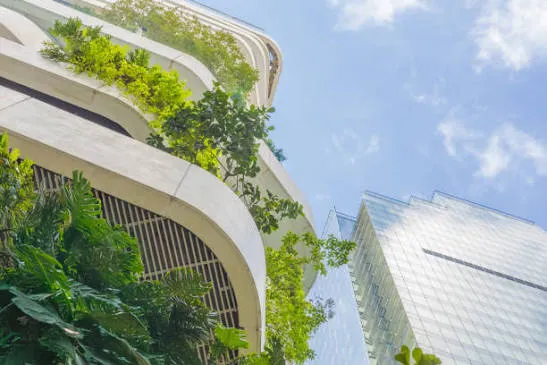
The global construction sector is experiencing a significant transformation as governments, developers, and investors increasingly prioritize environmentally responsible infrastructure. Buildings account for a substantial share of global energy consumption and greenhouse gas emissions, making sustainable construction practices essential for achieving long-term climate objectives. As a result, low-carbon design strategies are becoming an integral part of modern building development across residential, commercial, and industrial projects.
The Low Carbon Building Market reflects this transition by encompassing construction materials, technologies, and design approaches that reduce carbon emissions throughout a building's lifecycle. According to the study published by Markntel Advisor, the market was valued at around USD 725 billion in 2025 and is projected to grow from USD 809 billion in 2026 to USD 1,563 billion by 2032, exhibiting a CAGR of 11.60% during 2026–2032. The report also highlights the growing influence of sustainable construction technologies in shaping future infrastructure.
Growing environmental awareness, stricter building regulations, and the pursuit of energy-efficient infrastructure are encouraging stakeholders to rethink conventional construction methods. Organizations are increasingly incorporating sustainable design principles to reduce operational costs, improve occupant well-being, and enhance long-term asset value while supporting broader climate commitments.
Energy Efficiency Is Becoming a Core Design Principle
Modern buildings are designed with greater emphasis on reducing energy demand through advanced insulation, efficient HVAC systems, high-performance glazing, and intelligent lighting controls. Digital technologies such as smart building management systems further optimize energy consumption by monitoring and adjusting operations in real time. These improvements not only lower emissions but also enhance building performance throughout its operational life.
Renewable energy integration is another defining trend. Solar photovoltaic systems, geothermal heating solutions, and energy storage technologies are increasingly incorporated into building designs to minimize reliance on conventional energy sources. As renewable technologies become more cost-effective, they are expected to play a larger role in future construction projects.
Sustainable Materials Are Transforming Construction Practices
Material selection has become a major factor in reducing a building's overall carbon footprint. Architects and engineers are increasingly choosing recycled steel, sustainably sourced timber, low-carbon cement alternatives, recycled aggregates, and environmentally certified insulation materials. These products help reduce embodied carbon while maintaining structural performance and durability.
Lifecycle assessments are also becoming standard practice during project planning. Rather than evaluating only initial construction costs, developers now assess environmental impacts from raw material extraction through manufacturing, transportation, construction, operation, and eventual demolition or recycling. This comprehensive approach supports more informed and sustainable decision-making.
Government Policies Continue to Accelerate Adoption
Public policy remains one of the strongest drivers supporting sustainable construction worldwide. Many countries have introduced stricter building energy codes, carbon reduction targets, green procurement policies, and financial incentives encouraging developers to adopt environmentally responsible building practices. These regulatory frameworks continue to accelerate investments in energy-efficient infrastructure and low-emission construction technologies. According to the International Energy Agency (IEA), improving building efficiency remains essential for reducing global energy demand and supporting climate goals.
Green building certification programs such as LEED, BREEAM, and other regional sustainability standards are further encouraging organizations to improve environmental performance. Certified buildings often demonstrate lower operating costs, stronger market appeal, and increased long-term investment value while supporting corporate sustainability commitments.
Digital Innovation Is Enhancing Sustainable Building Delivery
Digital technologies are significantly improving the planning, construction, and operation of environmentally responsible buildings. Building Information Modeling (BIM), digital twins, artificial intelligence, and advanced analytics enable project teams to simulate energy performance, identify design improvements, and optimize resource utilization before construction begins.
During operations, connected sensors and Internet of Things (IoT) platforms continuously monitor building performance, helping facility managers identify inefficiencies, reduce maintenance costs, and improve occupant comfort. These innovations contribute to measurable environmental benefits while supporting efficient building management throughout the asset lifecycle.
Challenges Still Require Industry Collaboration
Despite strong market momentum, several challenges remain. Higher upfront investment requirements, limited availability of specialized materials, evolving regulatory requirements, and shortages of skilled professionals can slow project implementation in certain regions. Additionally, balancing sustainability objectives with affordability continues to require careful planning across both public and private sectors.
Collaboration among policymakers, manufacturers, architects, engineers, technology providers, and financial institutions will remain essential to overcoming these barriers. Continued innovation, supportive regulations, and greater awareness among building owners are expected to strengthen industry adoption over the coming years. The World Green Building Council also emphasizes that coordinated industry action is necessary to accelerate the transition toward net-zero buildings worldwide.
Looking Ahead
Low-carbon construction is steadily moving from a niche sustainability initiative to a mainstream component of global infrastructure development. Growing investments in energy-efficient technologies, sustainable materials, digital building solutions, and supportive public policies are reshaping how buildings are designed and operated.
As organizations continue pursuing long-term environmental objectives, sustainable building practices are expected to become increasingly integrated across the construction value chain. The projected expansion of the market between 2026 and 2032 reflects both the industry's commitment to reducing carbon emissions and the growing recognition that resilient, efficient buildings deliver lasting economic and environmental value.

 English
 Arabic
 French
 Portuguese
 Deutsch
 Turkish
 Dutch
 Italiano
 Russian
 Romaian
 Portuguese (Brazil)
 Greek