


Maritime Cargo Insurance Strengthens Global Trade Against Rising Shipping Risks
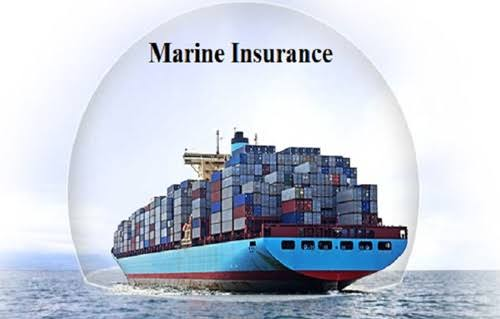
Maritime cargo insurance protects the financial value of goods transported through international shipping and connected inland routes. Manufacturers, exporters, importers, retailers, and logistics providers use this coverage to manage losses arising from theft, fire, collision, severe weather, contamination, mishandling, and other insured events. As supply chains become more interconnected, suitable cargo protection is increasingly important for maintaining financial stability when shipments are damaged or disrupted.
A recent study by Markntel Advisor highlights that the global maritime cargo insurance industry was valued at USD 22.4 billion in 2025. It is projected to grow from USD 25.56 billion in 2026 to USD 35.94 billion by 2032, registering a CAGR of 5.84% during 2026–2032. Expansion reflects rising shipment values, complex trade routes, geopolitical uncertainty, and growing awareness of cargo-related financial risks.
Coverage Protects Goods Across Multiple Transport Stages
Modern cargo journeys often involve trucks, railway networks, warehouses, ports, vessels, and distribution facilities. A shipment may be exposed to damage during loading, temporary storage, transshipment, unloading, or final delivery rather than only while it is at sea.
Warehouse-to-warehouse coverage can protect goods across an approved journey, subject to the policy’s terms and exclusions. Businesses must confirm the insured route, coverage period, cargo description, geographical limits, deductibles, and valuation method before transportation begins.
Policy Terms Determine the Level of Protection
Maritime cargo policies may provide broad protection or cover only specifically named risks. The selected structure depends on cargo value, product characteristics, transportation mode, destination, and the organisation’s ability to retain part of the financial risk.
Policies may exclude inadequate packaging, ordinary leakage, natural deterioration, deliberate misconduct, delay, or undeclared dangerous goods. Businesses should therefore examine policy wording carefully rather than assuming that every loss occurring during transport will be covered.
Shipping Disruption Changes Risk Assessment
Maritime trade is exposed to geopolitical tension, port congestion, route closures, extreme weather, and changing customs requirements. These conditions can extend journey times, increase handling, and require vessels to travel through unfamiliar or higher-risk routes.
The UN Trade and Development review of maritime transport identifies continuing disruption, volatile freight rates, and uncertainty across major shipping corridors. Insurers may respond by reassessing routes, cargo accumulation, vessel information, security conditions, and the level of protection required for individual voyages.
High-Value Cargo Requires Specialised Underwriting
Electronics, pharmaceuticals, machinery, luxury products, automotive parts, and temperature-sensitive goods face different forms of exposure. Moisture may damage electronic equipment, while temperature variation can make medicines unsuitable for use even when their packaging appears intact.
Insurers may examine packaging, container selection, route duration, storage conditions, carrier experience, and previous claims. Refrigerated shipments may also require temperature records and documented procedures for responding to equipment failure. Accurate cargo declarations allow insurers to assess these risks more effectively.
Packaging Quality Influences Loss Prevention
Poorly secured or incorrectly distributed cargo can move inside a container during transport, damaging the goods and potentially affecting the stability of the transport unit. Packaging must account for vibration, stacking pressure, moisture, temperature changes, and repeated handling.
The IMO/ILO/UNECE Code of Practice for Packing Cargo Transport Units provides guidance covering cargo packing, securing, handling, and training. Following recognised practices can reduce preventable damage and provide stronger evidence that reasonable precautions were taken before shipment.
Dangerous Goods Carry Additional Responsibilities
Chemicals, batteries, fuels, gases, and other hazardous materials require correct classification, packaging, labelling, documentation, and segregation. Failure to follow approved procedures can increase the likelihood of fire, leakage, environmental damage, or cargo rejection.
The International Maritime Organization’s IMDG Code establishes requirements for transporting dangerous goods in packaged form by sea. Compliance helps protect vessels, crews, cargo, ports, and marine environments while supporting more accurate insurance assessment.
Digital Tools Improve Claims and Risk Monitoring
Digital platforms are simplifying quotations, shipment declarations, policy issuance, document submission, and claims communication. Connected sensors can also monitor location, temperature, humidity, impact, or unauthorised container access.
This information may help identify where and when damage occurred, but it must be supported by reliable devices and secure data management. Insurers and policyholders also need agreed procedures for using electronic records during claims assessment.
Documentation Supports Efficient Claims Settlement
A cargo claim may require the policy certificate, commercial invoice, packing list, bill of lading, photographs, survey reports, repair estimates, and correspondence with carriers. Policyholders should report losses promptly and take reasonable measures to prevent further damage.
The global maritime cargo insurance landscape will continue developing alongside trade expansion, digital logistics, geopolitical uncertainty, and higher-value shipments. Clear policy terms, accurate declarations, secure packaging, and organised documentation will remain central to protecting cargo and strengthening supply-chain resilience.

 English
 Arabic
 French
 Spanish
 Portuguese
 Deutsch
 Turkish
 Dutch
Dutch
 Russian
 Romaian
 Portuguese (Brazil)
 Greek
Greek