


Door Lock Repair: Why Your Door Will Not Lock Properly
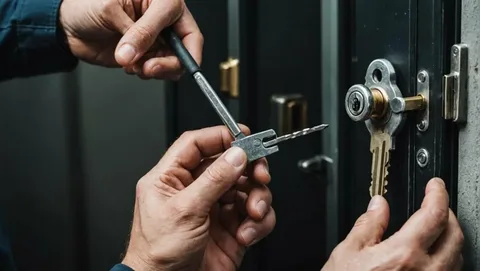
A door that refuses to lock properly can create frustration and leave your property less secure. Door lock repair may be necessary when the key turns without locking the door, the latch misses the strike plate, or the handle stops operating the mechanism correctly.
Before replacing the entire lock, it helps to understand what may be causing the problem. Some faults involve simple alignment issues, while others require replacement parts or professional attention.
1. Check Whether the Latch Lines Up Correctly
The latch must align with the opening in the door frame when the door closes. If these parts no longer line up, the door may not latch securely.
You might notice that the door closes only when you lift the handle, push it firmly, or pull it toward you.
Loose hinges, changes in the frame, and regular use can contribute to alignment problems.
Observe whether the latch reaches the strike plate properly. Avoid forcing the door closed because excessive pressure can damage the latch or surrounding hardware.
If the alignment problem continues, a locksmith can inspect the hinges, strike plate, and locking mechanism to determine what needs adjustment.
2. Understand Why the Key Turns Without Locking
A key that turns but does not secure the door may indicate a problem inside the lock.
Possible causes include a worn cylinder, a damaged internal mechanism, or a faulty connection between the cylinder and the locking components.
If the key suddenly starts behaving differently, avoid repeatedly turning it with extra force. This could damage the key or make the mechanism harder to repair.
If you have an authorised spare key, you can carefully check whether it operates differently. When both keys produce the same problem, the lock itself may need inspection.
The appropriate solution depends on the lock design and the condition of its internal parts.
3. Inspect a Loose Door Handle
A loose handle can affect how a door opens and closes. In some designs, the handle operates the latch directly, so a faulty connection may prevent the latch from retracting correctly.
Check whether the handle moves unusually or feels unstable during normal use.
Loose external fittings may sometimes be adjusted, but internal damage can require replacement of the spindle, handle assembly, or locking mechanism.
Do not continue using a handle that has become detached or unreliable, particularly on an entrance that must remain secure.
A professional inspection can help establish whether the handle is the main problem or whether the fault extends to the lock.
4. Know When the Lock Cylinder Needs Attention
The cylinder is the part of many door locks where you insert the key. Over time, its internal components may wear or become damaged.
Common warning signs include a key that sticks, difficulty turning the key, or a lock that works intermittently.
A worn key can sometimes create similar symptoms, so it is worth checking an authorised spare if one is available.
If the cylinder is damaged, replacing it may restore normal operation without changing every part of the door hardware. However, compatibility depends on the existing lock system.
For doors with narrow aluminium frames, choosing the correct cylinder and mechanism is particularly important. A suitable aluminium door lock repair service can help determine which components fit the existing door.
5. Check Why a Sliding Door Will Not Lock
Sliding doors have different locking requirements from conventional hinged doors. The locking point must align with the frame when the panel reaches its closed position.
If the door becomes difficult to lock, the cause may involve worn rollers, track problems, panel misalignment, or a damaged latch.
Start by checking whether the door moves smoothly along its track. Remove loose dirt and debris that may obstruct movement, but do not force a panel that is jammed or unstable.
If the door closes normally but the lock does not engage, the locking mechanism or strike point may need adjustment.
For a balcony, patio, or glass sliding door, a sliding door lock repair and installation service can assess the mechanism and help identify a compatible solution.
6. Decide Between Repair and Replacement
Repair is often worth considering when the problem involves a loose fitting, minor alignment issue, or replaceable internal component.
Replacement may be more appropriate when the mechanism is broken, the cylinder is severely worn, or the lock can no longer secure the door reliably.
You may also need to change the lock after losing a key or when access arrangements change following a move or tenancy change.
Before approving replacement, ask whether the existing lock can be repaired and whether a new component will fit without unnecessary modifications to the door.
The decision should consider the lock's condition, the cost of the work, and the security requirements of the property.
7. Ask for a Clear Repair Estimate
Before work begins, explain the symptoms and ask what the technician expects to inspect or repair.
A useful estimate should clarify the labour, replacement parts, and any additional charges that may apply.
If the technician discovers further damage, ask for an updated price before approving extra work.
You should also confirm that the lock will be tested after the repair. The door should close properly, the latch should engage, and the key should operate smoothly without excessive force.
Clear communication helps you understand what the repair includes and whether replacement is genuinely necessary.
8. Prevent the Same Problem From Returning
Regular checks can help identify lock problems before they become urgent.
-
Replace bent or badly worn keys.
-
Check that the door closes without excessive pressure.
-
Address loose handles and hinges promptly.
-
Keep sliding door tracks free of debris.
-
Arrange an inspection when the lock begins sticking repeatedly.
-
Review who has keys after moving or changing tenants.
Avoid using improvised tools or excessive force on a damaged mechanism. Small faults can become more complicated when the lock or door frame is damaged further.
Final Thoughts
A door that will not lock properly may have an alignment issue, a loose handle, a worn cylinder, or a damaged internal mechanism. Identifying the likely cause helps you understand whether adjustment, repair, or replacement is appropriate.
Do not ignore recurring problems or force a lock that no longer operates normally. A professional assessment can help restore reliable operation while avoiding unnecessary changes to otherwise functional hardware.
Timely door lock repair can help keep your entrance working properly and maintain the security of your home or business.

 English
 Arabic
 French
 Spanish
 Portuguese
 Deutsch
 Turkish
 Italiano
 Russian
 Romaian
 Portuguese (Brazil)
 Greek
Greek