


Bladder Cancer Symptoms Warning Signs You Should Not Ignore
Introduction
Bladder cancer is one of the most common cancers affecting the urinary system, especially among older adults. It develops when abnormal cells begin to grow uncontrollably in the bladder lining, potentially affecting normal bladder function. While some bladder cancer cases are found early due to noticeable symptoms, others may remain unnoticed until the disease progresses. Recognizing early warning signs can make a significant difference because timely diagnosis and treatment often improve outcomes. Understanding symptoms, risk factors, and when to seek medical advice can help individuals protect their urinary health.
What Is Bladder Cancer
Bladder cancer occurs when cells inside the bladder begin to multiply abnormally and form a tumor. The bladder is a hollow organ that stores urine before it leaves the body through the urethra. Most bladder cancers start in the urothelial cells, which line the inside of the bladder.
There are different types of bladder cancer, but urothelial carcinoma is the most common. The disease can remain limited to the inner bladder lining or spread into deeper layers and nearby organs if not detected early.
Bladder cancer can affect both men and women, although men have a higher risk of developing the condition. Early recognition of symptoms and regular medical evaluation can help identify the disease at an earlier stage when treatment options are usually more effective.
Common Symptoms of Bladder Cancer You Should Not Ignore
Many bladder cancer symptoms may appear similar to common urinary problems, such as infections or bladder irritation. However, persistent or unusual changes should always be evaluated by a healthcare professional.
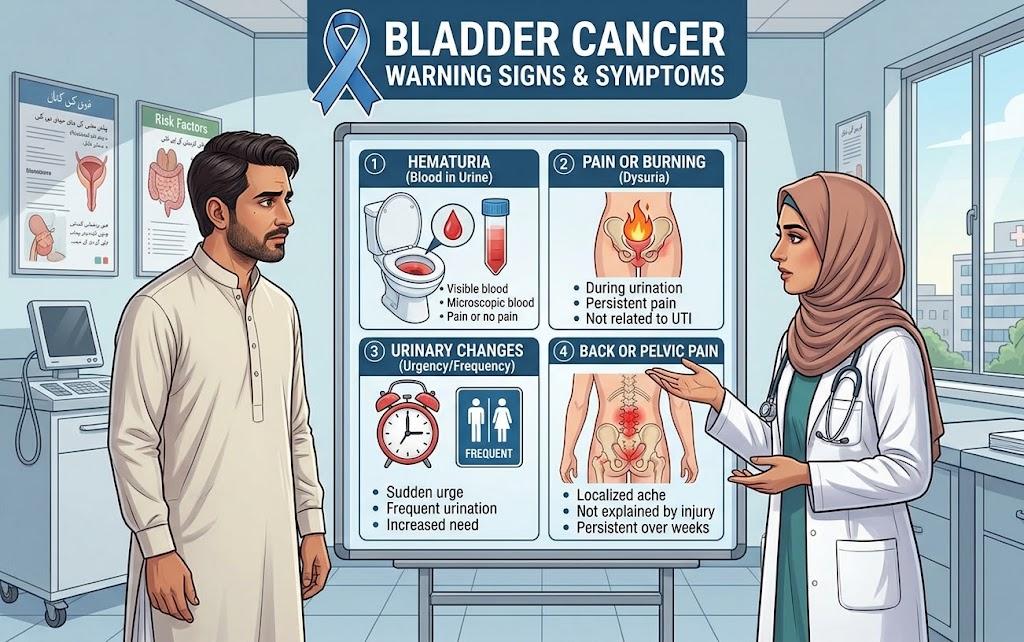
Blood in Urine Hematuria
Blood in the urine, medically known as hematuria, is one of the most common warning signs of bladder cancer. It may appear as pink, red, or dark-colored urine. Sometimes, blood may only be visible under a microscope during a urine test.
Although blood in urine does not always mean cancer, it should never be ignored. Other conditions, such as urinary tract infections, kidney stones, or prostate problems, can also cause bleeding. A urologist can perform the necessary tests to determine the exact cause.
Frequent Urination
Needing to urinate more often than usual can be a possible symptom of bladder cancer. Some people may feel an increased urge to empty their bladder even when there is only a small amount of urine.
Frequent urination may also occur due to infections or other bladder conditions. However, if the symptom continues without improvement, medical evaluation is important to rule out serious causes.
Painful Urination
Burning, discomfort, or pain while urinating can sometimes indicate bladder cancer. This symptom is known as dysuria and may occur when abnormal cells irritate the bladder lining.
Many people associate painful urination with infections, but persistent symptoms require proper diagnosis. A urologist can identify whether the issue is caused by infection, inflammation, or another underlying condition.
Sudden Urgency to Urinate
A strong and sudden need to urinate, even when the bladder is not full, may be another warning sign. Some individuals may experience difficulty controlling this urge, which can affect daily activities.
When bladder tissues become irritated or affected by abnormal growth, normal bladder signals can change. Persistent urgency should be checked by a medical specialist.
Difficulty Starting Urination
Bladder cancer or other urinary conditions may sometimes interfere with normal urine flow. Some men and women may experience difficulty starting urination, weak urine flow, or a feeling that the bladder has not completely emptied.
These symptoms can also be related to prostate enlargement or other urinary issues. A proper medical assessment is needed to determine the underlying cause.
Lower Back or Pelvic Pain
As bladder cancer progresses, some individuals may experience discomfort or pain in the lower back, pelvis, or abdominal area. This may happen if the tumor affects surrounding tissues or nearby structures.
Persistent unexplained pain should not be ignored, especially when combined with other urinary symptoms.
Unexplained Weight Loss and Fatigue
Advanced bladder cancer may cause general symptoms such as unexplained weight loss, weakness, or ongoing fatigue. These symptoms occur because the body uses more energy while fighting abnormal cell growth.
Although these signs can be linked to many health conditions, they should be discussed with a doctor if they appear without a clear reason.
Causes and Risk Factors of Bladder Cancer
Several factors can increase the risk of developing bladder cancer. Understanding these risks can help individuals make healthier choices and recognize when they may need regular screening.
Smoking
Smoking is one of the biggest risk factors for bladder cancer. Harmful chemicals from tobacco enter the bloodstream and are filtered through the kidneys before collecting in urine. These chemicals can damage bladder cells over time.
Age and Gender
The risk of bladder cancer increases with age, with most cases occurring in older adults. Men are also more likely to develop bladder cancer compared to women.
Chemical Exposure
People who work with certain industrial chemicals, dyes, paints, or rubber products may have a higher risk due to long-term exposure to substances that can affect bladder health.
Previous Cancer Treatments
Certain chemotherapy medicines and radiation treatments involving the pelvic area may increase the risk of bladder changes in some individuals.
Chronic Bladder Problems
Long-term bladder irritation, repeated infections, or certain bladder conditions may contribute to increased risk.
How Is Bladder Cancer Diagnosed
If bladder cancer is suspected, a doctor may recommend several tests to confirm the diagnosis. A urine test can check for blood or abnormal cells. Imaging tests, such as ultrasound, CT scans, or MRI, may help examine the bladder and surrounding areas.
A cystoscopy is one of the most important diagnostic procedures. During this test, a thin camera is inserted through the urethra to examine the inside of the bladder. If abnormal tissue is found, a biopsy may be performed to determine whether cancer cells are present.
Early diagnosis helps doctors select the most suitable treatment approach based on the cancer stage and overall health of the patient.
Treatment Options for Bladder Cancer
Treatment depends on the type, stage, and spread of bladder cancer. Common treatment options include:
Surgery
Surgery may be used to remove tumors or, in advanced cases, part or all of the bladder.
Immunotherapy
Immunotherapy helps the immune system recognize and attack cancer cells. It is commonly used for certain bladder cancer cases.
Chemotherapy
Chemotherapy uses medicines to destroy cancer cells or slow their growth. It may be used before or after surgery.
Radiation Therapy
Radiation therapy uses targeted energy to destroy cancer cells and may be recommended in specific situations.
When Should You See a Urologist
You should consult a urologist if you notice blood in your urine, persistent urinary changes, painful urination, or unexplained bladder symptoms. Early medical attention can help identify the cause and begin treatment when necessary.
Ignoring warning signs may allow serious conditions to progress. A specialist can provide accurate diagnosis and recommend appropriate care based on your symptoms.
Book Online Appointment With Best Urologist Via InstaCare
If you are experiencing bladder-related symptoms or have concerns about your urinary health, you can book an online appointment with the best urologist via InstaCare. Professional consultation can help identify potential problems early and guide you toward the right diagnosis and treatment options. Getting expert medical advice at the right time can improve your chances of effective management and better health outcomes.
Frequently Asked Questions About Bladder Cancer Symptoms
1. What is the earliest warning sign of bladder cancer?
The most common early warning sign of bladder cancer is blood in the urine. Even if bleeding happens only once, it should be checked by a healthcare professional.
2. Can bladder cancer symptoms look like a urinary infection?
Yes, bladder cancer symptoms can sometimes resemble urinary infections, including frequent urination, urgency, and painful urination. Persistent symptoms require proper medical evaluation.
3. Who is at higher risk of bladder cancer?
People who smoke, older adults, men, individuals exposed to certain chemicals, and those with chronic bladder problems may have a higher risk.
4. Can bladder cancer be treated successfully?
Yes, bladder cancer can often be treated effectively, especially when detected early. Treatment options depend on the cancer stage and individual health factors.
5. Which doctor should I consult for bladder cancer symptoms?
A urologist is the specialist who evaluates and treats bladder-related conditions, including bladder cancer. They can perform diagnostic tests and recommend suitable treatment.

 English
 Arabic
 French
 Spanish
 Portuguese
 Deutsch
 Turkish
 Italiano
 Russian
 Romaian
 Portuguese (Brazil)
 Greek
Greek