


The 90-Day Rule: How Long Should You Keep an Unused Car Before Selling It in Calgary?
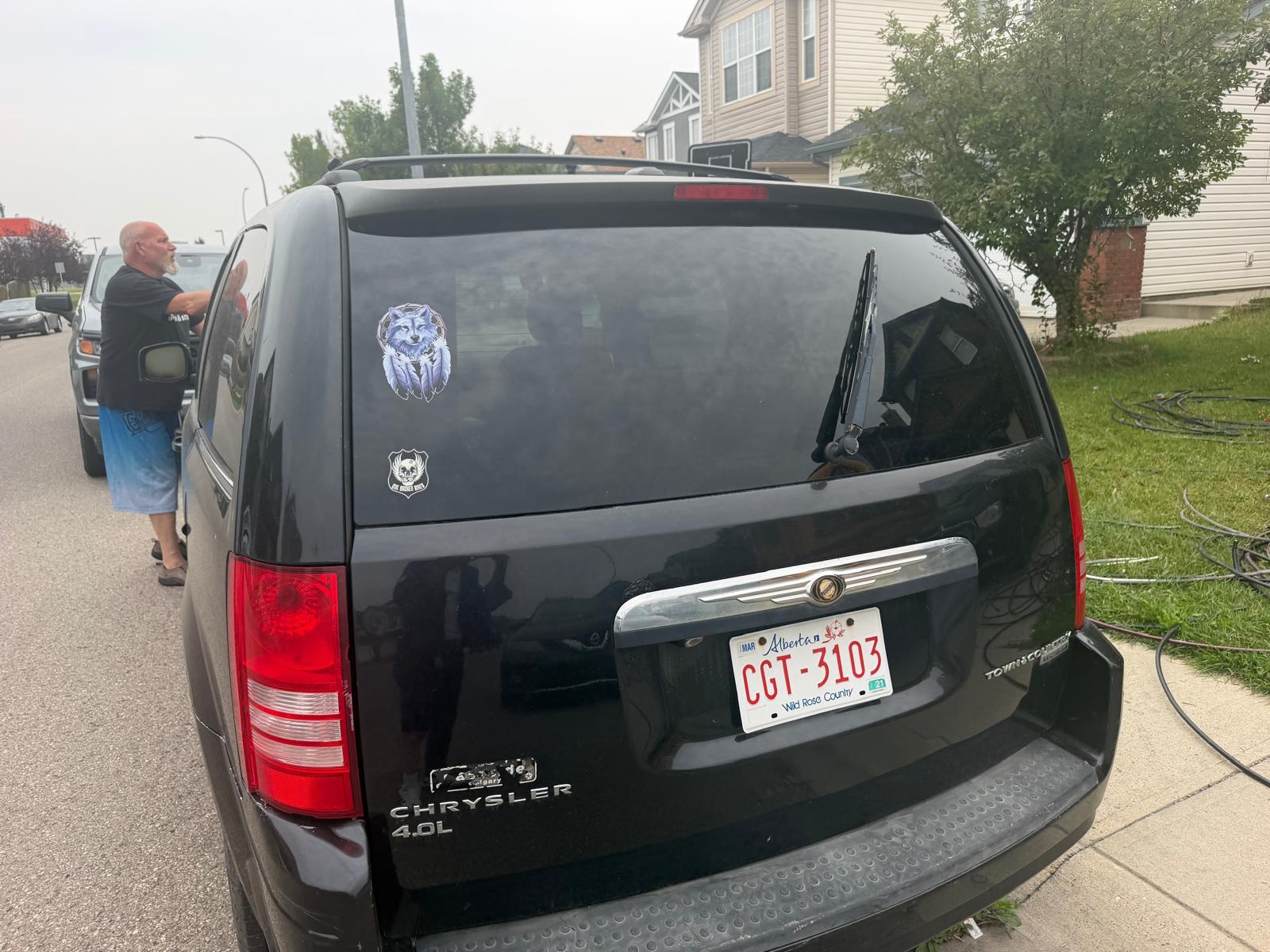
There is a particular kind of car that slowly becomes invisible.
It sits in the driveway.
It sits in the garage.
It sits in an underground parking stall.
You keep telling yourself, “I might need it again.”
A few weeks become a few months. Then you suddenly realize you haven't driven the vehicle in a very long time.
So here's the question:
How long should you keep a car you aren't actually using?
There isn't a universal deadline, but a useful way to evaluate the situation is the 90-day rule.
If a vehicle has gone roughly three months without serving a real purpose, that's a good point to stop and reassess its ownership cost, condition, and future usefulness.
The goal isn't to automatically sell after 90 days.
The goal is to stop keeping a vehicle simply because you haven't made a decision.
What Is the 90-Day Rule?
The 90-day rule is a simple decision-making framework:
If you haven't meaningfully used your vehicle for approximately 90 days, ask whether you have a realistic reason to keep it for the next 90 days.
That distinction matters.
A car sitting unused for three months isn't automatically a bad financial decision.
Maybe you're travelling.
Maybe you're temporarily working from home.
Maybe you're restoring the vehicle.
Maybe another family member will genuinely need it soon.
But if the only reason you're keeping it is:
“I might use it someday,”
then it's worth calculating what “someday” is actually costing you.
Why Unused Cars Become Expensive Without Moving
People often associate vehicle expenses with driving.
Fuel costs money.
Repairs cost money.
Maintenance costs money.
But an unused vehicle can still create costs while sitting still.
Depending on your situation, you may have:
- Insurance expenses
- Registration-related costs
- Parking or storage costs
- Battery deterioration
- Tire deterioration
- Depreciation
- Cleaning and maintenance requirements
- Repair costs when you eventually put it back on the road
There's also an opportunity cost.
The money tied up in an unused vehicle could potentially be used for something else.
That's why “I'm not driving it” doesn't necessarily mean “it's costing me nothing.”
The Calgary Factor: Where Is the Car Sitting?
Where you store an unused vehicle can make a difference.
A car sitting inside a dry garage is different from one parked outside through Calgary's changing weather.
Outdoor storage can expose a vehicle to:
- Snow
- Ice
- Moisture
- Temperature changes
- Road salt and residue
- Dust and dirt
- Sun exposure
- Seasonal freeze-thaw cycles
An older vehicle may be particularly vulnerable because it could already have aging rubber components, a weaker battery, worn seals, or existing corrosion.
The longer it sits, the more important its storage conditions become.
What Happens When a Car Sits for Months?
An unused vehicle doesn't simply freeze in time.
The battery can lose charge.
Tires can lose pressure and develop issues related to prolonged storage.
Fluids and seals still require attention.
Rodents and other pests can sometimes create problems when vehicles remain undisturbed.
And when you finally decide to drive the vehicle again, you may discover that it needs maintenance before becoming dependable.
This creates an interesting paradox:
The longer you wait to decide what to do with an unused car, the more likely it may require attention before you use it again.
The “Maybe Next Year” Trap
One of the biggest reasons people keep unused vehicles is uncertainty.
You don't want to sell it because you might need it.
But you don't actually have a specific date when you'll need it.
That's the trap.
Try replacing “maybe” with a specific question:
“What event would cause me to need this vehicle?”
For example:
- A new job?
- A family member getting a licence?
- A long-distance move?
- A second vehicle requirement?
- A planned project?
- Seasonal driving?
If you can't identify a realistic event, the vehicle may be occupying space without serving a purpose.
The 90-Day Financial Check
At the three-month point, calculate what keeping the vehicle is actually costing.
Write down:
Monthly ownership cost × remaining months you expect to keep it
Then add likely maintenance.
For example, imagine an unused vehicle costs you $150 per month in combined ongoing expenses.
Keeping it for another year could represent $1,800 before unexpected repairs.
Now ask:
“Would I willingly spend $1,800 to keep access to this vehicle for another year?”
That question is often easier to answer than:
“Should I sell my car?”
You're no longer thinking emotionally about the vehicle.
You're evaluating the cost of keeping the option available.
Don't Ignore the Vehicle's Current Value
An unused vehicle can also lose value over time.
The exact amount varies by vehicle, condition, mileage, market demand, and other factors.
But there is an important principle:
Waiting doesn't automatically preserve value.
An older vehicle can become less attractive if it develops additional problems while sitting or if its condition deteriorates.
Before deciding to keep it another year, find out what it could realistically be worth today.
Compare that with what you expect it to be worth after another year of ownership.
What If the Car Needs Repairs Before You Can Sell It?
This is where owners often make another mistake.
They think:
“I should repair it first so I can get more money.”
Sometimes that works.
Sometimes it doesn't.
Suppose your unused car needs $2,000 in repairs before you feel comfortable selling it.
Before spending the money, determine:
- Current as-is value
- Repair cost
- Expected value after repair
- Other likely maintenance
- Your time and effort
If the repair increases the vehicle's selling value by less than the amount you're spending, repairing it purely for resale may not be financially attractive.
An as-is sale can sometimes be the simpler comparison.
Should You Sell Privately or Get a Cash Offer?
If your vehicle is in good condition and has strong demand, a private sale may be worth exploring.
However, private selling can involve:
- Creating advertisements
- Answering messages
- Scheduling appointments
- Test drives
- Negotiations
- Inspections
- Paperwork
- Waiting for the right buyer
If the vehicle is old, damaged, non-running, or simply unwanted, the process may become more difficult.
This is where researching cash for cars Calgary can give you another reference point.
An as-is cash offer allows you to compare the convenience of selling the vehicle in its current condition against the potential return from repairing and privately selling it.
The important thing is to compare net value, not just the headline price.
The “Keep It or Sell It” 90-Day Checklist
If your car has been sitting unused for three months, answer these questions:
1. When did I last drive it?
If you can't remember, that's useful information.
2. Why am I keeping it?
Write down the actual reason rather than “just in case.”
3. When will I realistically need it?
Choose a specific timeframe.
4. What does it cost me each month?
Include ongoing ownership expenses.
5. What condition is it in?
Check battery, tires, fluids, bodywork, and mechanical condition.
6. What will it need before I can rely on it?
Estimate upcoming maintenance.
7. What is it worth today?
Consider both private-market and as-is possibilities.
8. Would I buy this same car today?
Imagine you don't already own it.
This final question can be surprisingly revealing.
What If You Need It Occasionally?
Not every unused vehicle needs to be sold.
If you genuinely need the vehicle for specific seasonal or occasional purposes, keeping it may be perfectly reasonable.
The important distinction is between:
“I don't use this vehicle often, but I have a defined reason for keeping it.”
and:
“I don't use this vehicle, but I'm afraid I might need it someday.”
Those are completely different situations.
If the vehicle has a clear purpose, calculate whether that purpose justifies the ownership cost.
A Better Rule Than “Sell After 90 Days”
The 90-day point shouldn't be treated as a magic deadline.
Think of it as a decision checkpoint.
At 90 days, ask:
Has this vehicle provided enough value during the last three months to justify what it cost me to keep it?
If yes, keep it.
If no, investigate your alternatives.
Those alternatives could include:
- Keeping it
- Repairing it
- Selling privately
- Trading it
- Selling it as-is
- Getting a cash offer
- Selling it for parts, depending on condition
The point is to make an active decision instead of allowing the vehicle to remain forgotten.
The Hidden Cost of Waiting
Sometimes the biggest cost isn't the vehicle itself.
It's the decision you keep postponing.

 English
 Arabic
 French
 Spanish
 Portuguese
 Deutsch
 Dutch
Dutch
 Italiano
 Russian
 Romaian
 Portuguese (Brazil)
 Greek
Greek