


What Questions Should You Ask After Receiving a Roofing Quote?
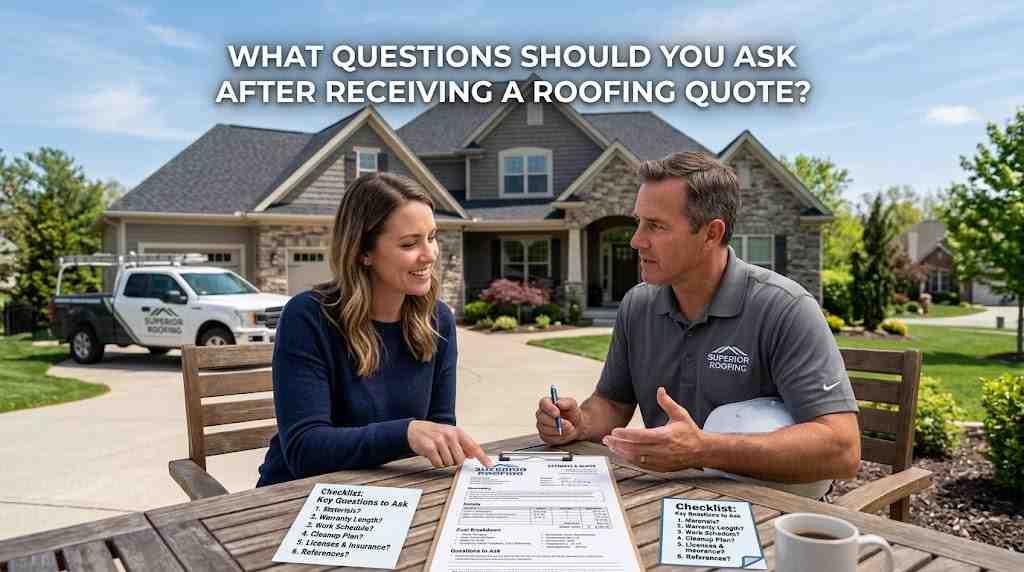
Receiving a roofing quote can feel like the hard part is over. You contacted a contractor, someone inspected your roof, and now you have a price in front of you. But a quote is more than a number. It is a starting point for understanding what work will actually be done, what materials will be used, how long the project may take, and what you can expect once the work begins.
Before accepting a proposal, take some time to review the details and ask questions. Whether you are also comparing an Interior and exterior painting company in Valhalla for other home improvements or focusing entirely on your roof, understanding your roofing estimate can help you avoid unexpected costs and misunderstandings later. A clear conversation with the contractor can also make it easier to compare multiple quotes fairly.
Why You Should Ask Questions About a Roofing Quote
A roofing quote may appear straightforward, but different contractors can structure their estimates in very different ways. One quote might include removal and disposal of old shingles, while another may charge separately for it. One contractor might include replacement of damaged decking, while another may list it as an additional cost if problems are discovered.
That is why comparing only the final price can be misleading.
The goal is to understand exactly what you are paying for. A detailed quote should give you enough information to determine whether the proposed work matches your roof's condition and your expectations.
1. What Exactly Is Included in the Quote?
Start with the basics. Ask the contractor to walk you through everything included in the estimate.
For example, does the quote cover:
- Removal of the existing roofing material?
- Disposal and cleanup?
- New underlayment?
- Ice and water protection where appropriate?
- Flashing replacement?
- Ventilation work?
- New drip edge?
- Replacement of damaged decking?
- Labor and installation?
- Final cleanup?
A quote that simply says "complete roof replacement" may not tell you enough. Ask for a detailed breakdown so you know what the contractor is actually proposing.
Why This Matters
A lower quote may initially look attractive, but it could exclude important components that another contractor has already included. Getting clarification before signing a contract makes price comparisons much more meaningful.
2. What Roofing Materials Will You Use?
Don't hesitate to ask for specific information about the materials.
Find out the manufacturer's name, product line, shingle type, color, and expected performance characteristics. If the quote uses terms such as "architectural shingles" or "premium roofing system," ask what specific product that description refers to.
You can also ask whether the contractor is proposing a complete roofing system or simply replacing the visible shingles.
A roof is made up of multiple components, and the quality and compatibility of those components can affect the finished installation.
3. What Is the Estimated Project Timeline?
Ask when the contractor expects to start and how long the project should take under normal conditions.
You might ask:
- When can the work begin?
- How many days should installation take?
- Will weather affect the schedule?
- What happens if the project takes longer than expected?
- Are there any scheduling conditions that could delay the start?
Roofing work is affected by weather, material availability, crew scheduling, and the complexity of the roof. A good contractor should be willing to explain that timeline rather than promising an unrealistic completion date.
4. Will You Remove the Existing Roof?
Some roofing projects involve installing new material over an existing layer, while others require complete tear-off. The appropriate approach depends on the roof's condition, existing layers, local requirements, and the contractor's assessment.
Ask directly whether the quote includes removal of the existing roofing.
If tear-off is included, ask how many layers are expected to be removed and how disposal will be handled. If the contractor proposes installing over an existing layer, ask why that approach is appropriate for your roof.
Understanding this decision can help you avoid surprises once work begins.
5. What Happens If You Find Damaged Roof Decking?
This is one of the most important questions to ask before work starts.
Once old roofing material is removed, contractors may discover areas of deteriorated or damaged decking. Ask whether the quote includes any decking replacement and, if not, how additional repairs will be priced.
For example, you can ask:
"If you find damaged decking after removing the shingles, how will you notify me, and what will the additional cost be?"
A clear process is important because hidden damage cannot always be identified during the initial visual inspection.
6. Are Flashing and Ventilation Included?
Flashing is used around areas such as chimneys, skylights, roof valleys, walls, and other roof penetrations. Because these areas can be vulnerable to water intrusion, ask whether existing flashing will be inspected and replaced where necessary.
Ventilation deserves attention as well.
Ask whether the contractor inspected your attic ventilation and whether the proposed roofing work includes any ventilation improvements. Proper ventilation can be an important part of a well-designed roofing system, depending on the home's construction and climate.
7. What Warranty Comes With the Work?
Do not assume that every roofing warranty means the same thing.
Ask about both the manufacturer's product warranty and the contractor's workmanship warranty.
Questions to ask include:
- How long does the workmanship warranty last?
- What does it cover?
- What does the manufacturer's warranty cover?
- Are there exclusions?
- Is the warranty transferable?
- Who should you contact if a problem develops?
- Are there maintenance requirements that could affect coverage?
Get the warranty information in writing rather than relying solely on a verbal explanation.
8. Is the Contractor Licensed and Insured?
Before hiring anyone, ask for documentation showing the contractor's relevant licensing and insurance.
Depending on where you live, licensing requirements can vary. Insurance may include general liability coverage and workers' compensation coverage.
You can also ask whether subcontractors will be used and whether they are properly covered.
This is an important part of protecting yourself during a major home improvement project.
9. Who Will Actually Perform the Roofing Work?
The person who provides the quote may not be the person who works on your home.
Ask whether the contractor uses its own employees, subcontractors, or a combination of both. If subcontractors will be involved, ask who will supervise the project and who will be responsible for quality control.
Knowing who will be on your property can make the project easier to manage and gives you a clearer point of contact.
10. What Could Cause the Final Price to Change?
A roofing estimate may be based on what the contractor can see during the initial inspection. Some conditions become apparent only after the old roofing is removed.
Ask the contractor to identify circumstances that could result in additional charges.
Potential examples include:
- Rotten decking
- Structural damage
- Unexpected layers of roofing
- Hidden water damage
- Additional flashing repairs
- Ventilation modifications
- Unforeseen code-related requirements
You should also ask how you will be notified before additional work is performed.
A written change-order process can prevent confusion about unexpected costs.
11. What Payment Schedule Do You Require?
Ask when payments are due and how much is required at each stage.
A contractor might request a deposit before ordering materials, followed by additional payments during or after the project. Make sure you understand the entire schedule before signing.
Also ask whether the quote includes taxes, permit fees, disposal charges, and other potential expenses.
The more complete the financial picture, the easier it is to plan your budget.
12. Are Permits and Inspections Included?
Depending on your location and the type of roofing work being performed, permits or inspections may be required.
Ask the contractor whether permits are necessary and, if so, who will obtain them and whether the associated fees are included in the quote.
This is especially useful because homeowners should not assume that permit-related responsibilities automatically fall to the contractor.
13. How Will My Property Be Protected During the Project?
Roofing work can involve falling debris, nails, dust, and discarded materials.
Ask how the crew plans to protect landscaping, siding, windows, outdoor furniture, driveways, and other areas around your home.
You should also ask about cleanup.
Will the crew use tarps? Will the driveway be protected? How will nails and small debris be collected? Is magnetic sweeping part of the cleanup process?
These may seem like small details, but they can make a noticeable difference when the project is finished.
14. Can You Provide References or Examples of Similar Work?
If you are considering a contractor, ask whether they can provide references or examples of comparable roofing projects.
Try to find examples involving similar roof types, materials, or project sizes. This can help you understand the contractor's experience with work resembling your own.
You may also want to ask how long the company has been operating and whether it regularly performs the type of roofing work you need.
When comparing proposals from Roofing Contractors in Golden's Bridge, for example, focus on the scope of work, materials, warranty, communication, and project terms rather than simply choosing the estimate with the lowest number.
15. Can You Explain Anything in the Quote I Don't Understand?
Never feel uncomfortable asking for clarification.
Roofing estimates can contain unfamiliar terms such as flashing, underlayment, ridge ventilation, decking, starter shingles, ice barriers, and other technical language. If you do not understand something, ask the contractor to explain it in plain language.
A trustworthy professional should be willing to discuss the proposal and answer reasonable questions.
How to Compare Multiple Roofing Quotes
If you have received several estimates, create a simple comparison list.
Look at:
- Total project cost
- Materials specified
- Tear-off and disposal
- Underlayment
- Flashing
- Ventilation
- Decking allowance
- Labor
- Warranty
- Project timeline
- Payment schedule
- Cleanup
- Permit responsibilities
- Potential additional costs
This approach makes it easier to identify differences between proposals.
Remember that the lowest quote is not necessarily the least expensive option in the long run if important work has been excluded. At the same time, a higher quote is not automatically better simply because it costs more. The details behind the number matter.
Red Flags to Watch for in a Roofing Quote
While reviewing your estimate, pay attention to warning signs such as extremely vague descriptions, pressure to sign immediately, unexplained charges, unusually large upfront payment demands, or reluctance to provide written terms.
Be cautious if a contractor cannot clearly explain what materials will be installed or refuses to discuss potential additional costs.
You should also be wary of verbal promises that do not appear in the written agreement. If something is important to you, make sure it is documented.
Final Thoughts
A roofing quote should give you more than a price—it should give you a clear picture of the proposed project. Asking about materials, labor, warranties, timelines, potential additional costs, permits, cleanup, and damaged decking can help you understand what you are agreeing to before work begins. Taking time to compare the details of different estimates can also make the hiring process more transparent and less stressful. If your home improvement plans extend beyond roofing, JLL Painting can also be part of your consideration when coordinating other exterior or interior improvements. Most importantly, choose a contractor based on clear documentation, appropriate experience, communication, and a scope of work that makes sense for your home's needs.
Frequently Asked Questions
1. Should I get more than one roofing quote?
Getting multiple quotes can help you compare pricing, materials, project scope, warranties, and timelines. Make sure each contractor is quoting comparable work so the comparison is meaningful.
2. What should a roofing quote include?
A detailed quote should identify the proposed materials, labor, removal and disposal, installation components, warranties, project timeline, payment terms, and potential additional costs.
3. Can a roofing quote change after work begins?
Yes. Hidden damage, such as deteriorated decking, may not become visible until existing roofing is removed. Ask how additional work will be documented and approved before it is performed.
4. How long should I take to review a roofing quote?
There is usually no need to rush. Take enough time to read the proposal carefully, compare it with other estimates if available, and ask the contractor about anything you do not understand before signing.

 English
 Arabic
 French
 Spanish
 Portuguese
 Deutsch
 Turkish
 Dutch
Dutch
 Italiano
 Russian
 Romaian
 Portuguese (Brazil)