


Pine Island Builders: A Guide to Residential Construction and Home Planning
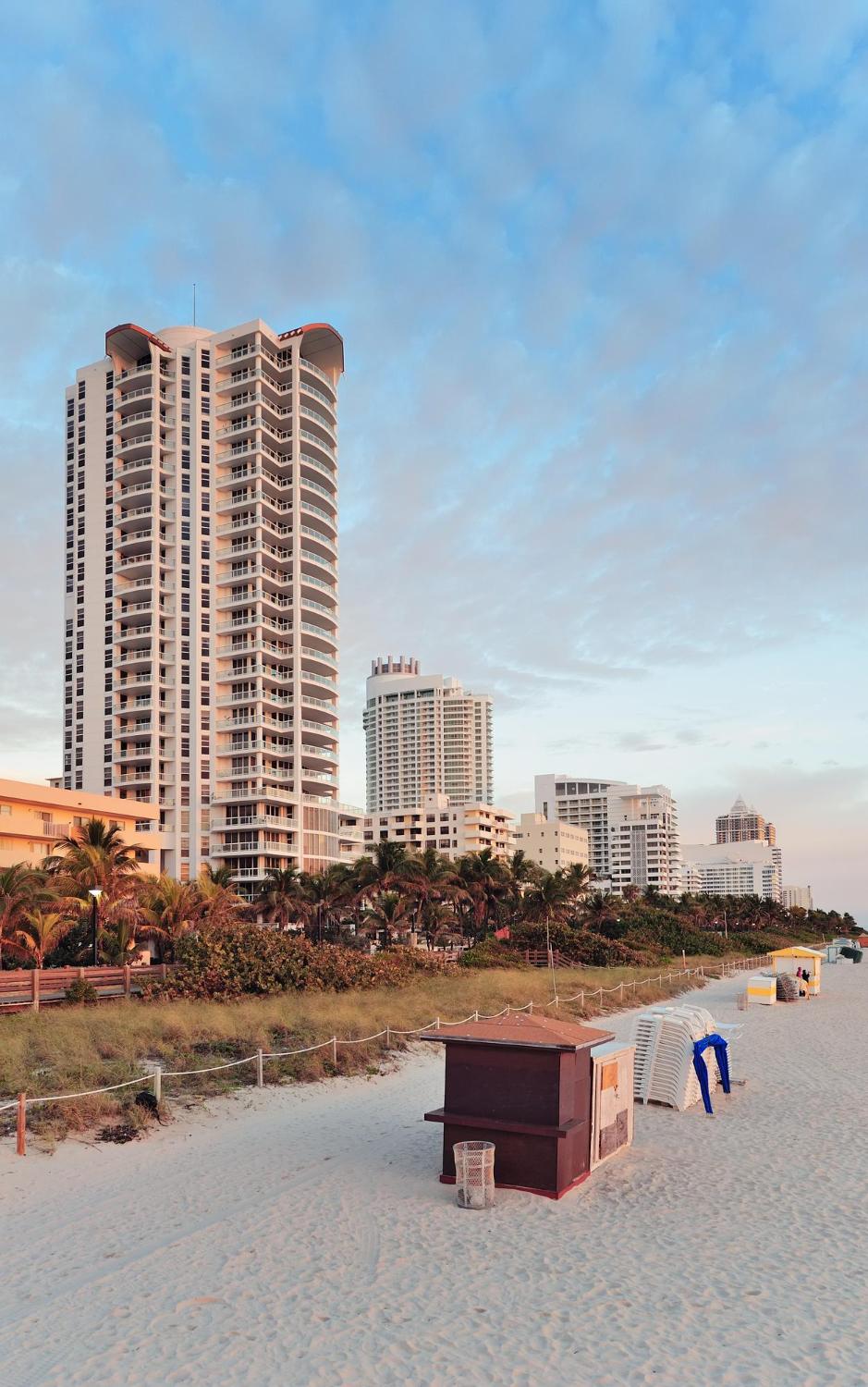
Pine Island builders play an important role in residential construction and property development in Pine Island, Florida. Located along Florida's Gulf Coast, Pine Island offers a distinctive setting where coastal weather, natural landscapes, and local building requirements influence how homes are planned and constructed. Homeowners considering a new residence need to understand these factors before beginning a construction project.
Building a home involves several stages, including property evaluation, architectural planning, budgeting, permitting, material selection, and final inspections. On Pine Island, additional considerations may include hurricane preparedness, flood exposure, drainage, and protection of the surrounding environment. Understanding these elements helps homeowners make informed decisions and establish realistic expectations for residential construction.
Understanding the Pine Island Construction Environment
Pine Island is known for its coastal surroundings, waterways, vegetation, and relatively low-lying terrain in certain areas. These characteristics influence residential construction and the materials used in building projects.
Florida's climate includes high humidity, heavy rainfall, tropical storms, and periods of intense sunlight. Buildings must be designed to meet applicable structural standards while accounting for moisture exposure and changing weather conditions.
Coastal construction also requires attention to corrosion, exterior material durability, and effective drainage. Salt-laden air can affect metal components, while prolonged moisture exposure may contribute to deterioration when building systems are not properly designed or maintained.
Pine Island builders must also consider the characteristics of each individual property. Lot dimensions, elevation, soil conditions, access, utility availability, and nearby environmental features can influence the design and construction process.
Planning a New Home on Pine Island
Evaluating Property Conditions
Property evaluation is an essential early step in residential construction. Before finalizing a home design, property owners generally need to understand the site's physical characteristics and applicable development restrictions.
Important considerations include land elevation, drainage patterns, soil stability, access routes, and the availability of water, electricity, and wastewater services. These factors may affect foundation design, building placement, and overall project costs.
Flood maps and relevant local requirements should also be reviewed. Depending on the location, additional assessments or permits may be necessary before construction can begin.
Developing a Practical Floor Plan
A home's layout should reflect the needs of its occupants and the conditions of the property. Factors such as household size, accessibility, storage, natural lighting, and future space requirements can guide design decisions.
Open living areas may support everyday activities, while covered outdoor spaces can provide shade and shelter from rain. Window placement and building orientation may also influence indoor comfort and energy use.
A practical floor plan balances appearance, functionality, structural requirements, and long-term maintenance.
Hurricane Preparedness and Structural Safety
Hurricane preparedness is a major consideration for residential construction in coastal Florida. High winds, flying debris, heavy rainfall, and storm-related flooding can place significant stress on buildings.
Residential designs must comply with the building codes applicable to the property's location. Depending on the design, relevant features may include reinforced structural connections, suitable roof systems, impact-resistant openings, and properly secured exterior components.
Roof-to-wall connections and the attachment of structural elements are particularly important because they help transfer forces through the building structure.
Windows and exterior doors should meet applicable performance requirements. Their installation must also follow approved specifications to help reduce the risk of water intrusion and wind-related damage.
Although appropriate construction methods can improve resilience, no building can be considered completely immune to severe weather. Regular inspections and maintenance remain important throughout the home's service life.
Flood Risk and Drainage Considerations
Flood risk varies across Pine Island according to property elevation, proximity to waterways, drainage conditions, and exposure to coastal storm surge.
Before construction, homeowners should review relevant flood maps and determine whether specific elevation or foundation requirements apply. Qualified professionals can assess the property and help establish appropriate construction methods.
Depending on site conditions, a project may require an elevated finished floor, a suitable foundation system, flood-resistant materials, or protective arrangements for electrical and mechanical equipment.
Drainage planning is also essential. Surface water should be managed in accordance with local regulations without creating additional runoff problems for neighbouring properties.
Homeowners may also need to consider flood insurance requirements and potential long-term costs associated with the property's location.
Choosing Durable Construction Materials
Material selection influences a home's durability, appearance, and maintenance requirements. On Pine Island, building materials should be suitable for humidity, sunlight, heavy rainfall, and coastal air.
Corrosion-resistant fasteners and appropriate metal components can help reduce deterioration caused by salt exposure. Roofing materials, exterior finishes, and window systems should meet applicable building standards and suit the local climate.
Moisture management is equally important. Proper flashing, weather-resistant barriers, ventilation, and drainage details help reduce the likelihood of water entering the building envelope.
Interior materials should also be selected with humidity and maintenance in mind. Appropriate finishes and moisture-control measures can help preserve indoor conditions over time.
Evaluating materials based on expected service life, upkeep, and repair requirements provides a more complete picture than considering the initial purchase price alone.
Energy Efficiency and Indoor Comfort
Warm temperatures and humidity make energy efficiency an important part of home planning in Florida. Insulation, air sealing, suitable windows, and properly sized cooling systems can contribute to indoor comfort.
Building orientation and exterior shading may help reduce solar heat gain. Window placement can also support natural lighting while balancing privacy, glare, and energy requirements.
Humidity control should be considered alongside temperature control. Properly designed heating, ventilation, and air-conditioning systems can help manage indoor moisture when installed and maintained correctly.
Energy-efficient lighting and appliances may further reduce electricity consumption. These measures can contribute to a home that is more comfortable and less demanding to operate.
Budgeting and Construction Timelines
A residential construction budget should include design services, permits, site preparation, materials, labour, inspections, utilities, and finishing work.
On Pine Island, site-specific requirements may add costs related to elevation, foundation design, drainage, or storm-resistant construction. Homeowners should also allow for unexpected conditions that may emerge during site preparation.
Construction schedules can be affected by weather, permit reviews, material availability, and inspection requirements. A realistic timeline should account for these possibilities.
Written project specifications, documented payment schedules, and clear procedures for approving changes help establish expectations between property owners and construction professionals.
Conclusion
Pine Island builders work within an environment where coastal weather, flood exposure, structural safety, material durability, and local regulations influence residential construction. Each property requires careful evaluation because site conditions and development requirements can vary.
For homeowners planning a new residence on Pine Island, early preparation and coordination with qualified professionals can help clarify the project's requirements. A well-planned home should address practical needs while accounting for long-term safety, maintenance, energy efficiency, and the distinctive conditions of Florida's coastal environment.

 Arabic
 French
 Spanish
 Portuguese
 Deutsch
 Turkish
 Dutch
 Italiano
 Russian
 Romaian
 Portuguese (Brazil)
 Greek