


Can Pelvic Floor Problems Cause Back or Hip Pain?
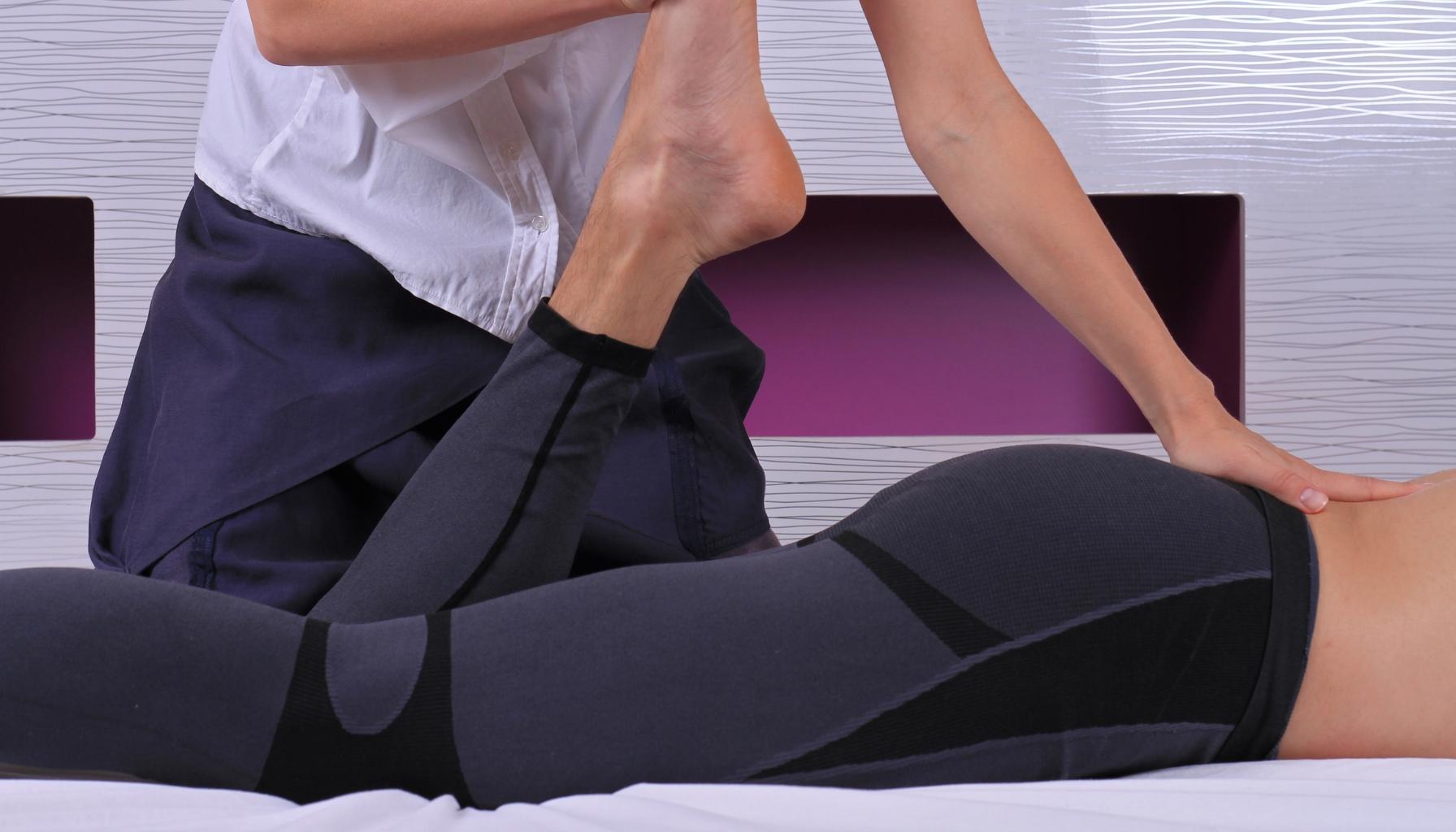
Pelvic floor problems are commonly associated with bladder or bowel symptoms, but many people do not realize that pelvic floor dysfunction can also contribute to lower back and hip pain. The pelvic floor muscles are closely connected to the muscles of the abdomen, hips, and lower back, working together to provide stability, posture support, and movement control. When these muscles are weak, tight, or not functioning properly, pain and discomfort may develop in surrounding areas. Pelvic floor physiotherapy Edmonton focuses on identifying these connections and helping restore proper muscle balance and movement.
The pelvic floor acts as part of the body’s core support system. Along with the diaphragm, abdominal muscles, and deep spinal muscles, it helps stabilize the pelvis and spine during everyday activities such as walking, lifting, bending, and exercising. If the pelvic floor muscles are not coordinating properly, the lower back and hips may compensate by working harder to maintain stability. Over time, this increased strain can contribute to tension, stiffness, and chronic discomfort. Pelvic floor physical therapy Edmonton addresses these imbalances through targeted rehabilitation and movement retraining.
Weak pelvic floor muscles can reduce support for the pelvis and lower spine. When support is limited, surrounding muscles often tighten or overwork to compensate for the instability. This can lead to aching or fatigue in the lower back and hips, particularly during prolonged standing, walking, or physical activity. Some individuals may notice that their back pain worsens after lifting, exercising, or spending long hours on their feet. Pelvic floor physiotherapy helps improve muscle activation and support, reducing unnecessary stress on nearby joints and muscles.
In other cases, pelvic floor muscles may become overly tight or overactive rather than weak. Tight pelvic floor muscles can create tension patterns that radiate into the hips, tailbone, groin, or lower back. This tension may cause discomfort during sitting, exercise, or certain movements. Some individuals experience deep hip pain that does not improve with regular stretching because the source of the problem lies within the pelvic floor itself. Pelvic floor physiotherapy Edmonton evaluates whether the muscles require strengthening, relaxation, or coordination training based on the individual’s symptoms.
Hip pain can also develop because the hip muscles and pelvic floor work closely together during movement. If the pelvic floor is not functioning efficiently, the hips may absorb additional workload during walking, running, or exercise. Over time, this can lead to muscle fatigue, reduced mobility, and pain around the hip joints. Pelvic floor physical therapy Edmonton focuses on restoring balanced muscle function so the hips and pelvis move more efficiently together.
Posture and breathing patterns are also important factors. Poor posture or shallow breathing can affect pelvic floor muscle coordination and increase pressure on the lower back and hips. Since the diaphragm and pelvic floor work together during breathing, dysfunction in one area can influence the other. Pelvic floor physiotherapy Edmonton often includes breathing exercises and posture correction strategies to improve how the core system functions as a whole.
Pregnancy and childbirth are common contributors to pelvic floor-related back and hip pain. During pregnancy, the growing baby places increased pressure on the pelvic floor and changes how the body distributes weight. After childbirth, the pelvic floor muscles may become stretched or weakened, affecting stability and movement. This can contribute to ongoing lower back or hip discomfort during postpartum recovery. Pelvic floor physiotherapy helps restore strength and coordination, supporting better movement and reducing strain.
Individuals who spend long periods sitting or performing repetitive activities may also experience pelvic floor dysfunction contributing to back or hip pain. Prolonged sitting can increase pressure on the pelvic region and alter posture, while repetitive lifting or exercise can create muscle imbalances over time. Pelvic floor physiotherapy Edmonton assesses how these habits affect movement patterns and provides exercises designed to improve function and reduce discomfort.
Another reason pelvic floor dysfunction may go unnoticed is because the pain is often felt away from the pelvis itself. Many people seek treatment for back pain or hip tightness without realizing the pelvic floor may be contributing to the issue. Traditional treatments focused only on the painful area may provide temporary relief but fail to address the root cause. Pelvic floor physical therapy Edmonton takes a more comprehensive approach by evaluating how the pelvis, spine, hips, and core muscles work together.
Treatment for pelvic floor-related back or hip pain is personalized based on the individual’s symptoms and muscle function. A physiotherapist may assess posture, breathing, flexibility, pelvic alignment, and muscle coordination before developing a rehabilitation plan. This plan may include strengthening exercises, relaxation techniques, mobility work, and functional movement training designed to restore balance throughout the body.
Consistency is important for long-term improvement. Since pelvic floor dysfunction often develops gradually, recovery also requires time and regular rehabilitation. Guided physiotherapy sessions combined with home exercises help reinforce muscle coordination and improve stability. Over time, many individuals notice reduced pain, improved mobility, and greater confidence in movement.
It is important to understand that back and hip pain are not always caused solely by spinal or joint problems. The pelvic floor can significantly influence how the body moves and supports itself during daily activities. Addressing pelvic floor dysfunction early may help prevent chronic discomfort and improve overall physical function.
In conclusion, pelvic floor problems can contribute to lower back and hip pain through weakness, tightness, or poor coordination of the muscles that support the pelvis and spine. These dysfunctions can alter posture, movement patterns, and muscle balance throughout the body. Pelvic floor physiotherapy Edmonton and pelvic floor physical therapy Edmonton focus on identifying these connections and restoring proper function through personalized rehabilitation. With structured treatment and consistent care, individuals can improve stability, reduce pain, and return to daily activities with better comfort and movement control.

 Arabic
 French
 Spanish
 Portuguese
 Deutsch
 Turkish
 Dutch
Dutch
 Italiano
 Russian
 Romaian
 Portuguese (Brazil)
 Greek
Greek