


Understanding Identity Loss After Baby and the Emotional Stages of Infertility
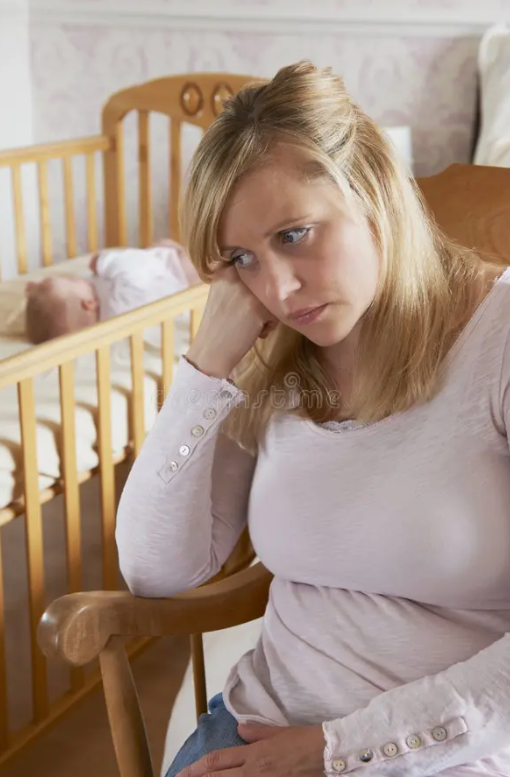
Becoming a parent is often described as one of life's most beautiful experiences. A new baby can bring love, excitement, and a sense of purpose. Yet, alongside those positive emotions, many new mothers experience feelings they did not expect. One of these can be identity loss after baby, when a woman feels that her old sense of self has become difficult to recognize.
Infertility can also create a complicated emotional journey. The infertility emotional stages may include hope, disappointment, sadness, anger, confusion, and acceptance. Everyone experiences these emotions differently, and there is no single correct way to move through them.
Understanding these experiences can help mothers and women facing infertility feel less alone.
What Is Identity Loss After Baby?
Identity loss after baby refers to the feeling that your personal identity has become hidden behind your new role as a mother. Your daily life may suddenly revolve around feeding, sleeping, diapers, appointments, and caring for your baby.
Before becoming a parent, you may have had hobbies, career goals, friendships, routines, and personal interests that helped define who you were. After the baby arrives, there may be very little time left for those parts of your life.
You may love your baby deeply while still missing the person you were before motherhood. These feelings are not contradictory.
A mother can be grateful for her child and still feel overwhelmed, lonely, or disconnected from herself.
Why Can Motherhood Change Your Sense of Identity?
Motherhood brings major changes in a short period of time. Your schedule changes, your responsibilities increase, and your priorities may shift.
Even simple activities can suddenly require planning. Meeting a friend for coffee, exercising, reading a book, or enjoying quiet time may become difficult.
There can also be social pressure to appear completely happy after having a baby. When a mother feels exhausted or uncertain, she may believe something is wrong with her.
In reality, adjusting to motherhood takes time.
Your identity has not necessarily disappeared. It may simply be changing as you learn how to combine your role as a mother with the other parts of who you are.
Signs of Identity Loss After Baby
Every mother's experience is different, but some common signs may include:
- Feeling disconnected from your previous interests
- Missing your independence
- Feeling that your entire identity is based on being a mother
- Struggling to make time for yourself
- Feeling guilty when doing something for yourself
- Missing your career or previous routines
- Feeling lonely even when you are surrounded by people
- Wondering who you are outside of motherhood
These feelings deserve attention rather than judgment.
Small steps can help. Returning to an old hobby, reconnecting with a friend, taking a walk alone, or setting aside a few minutes for something you enjoy can remind you that motherhood is only one part of your identity.
Understanding the Emotional Stages of Infertility
Infertility can bring its own identity challenges. When pregnancy does not happen as expected, people may experience a wide range of emotions.
The infertility emotional stages are not always predictable or linear. A person may experience several emotions in one day or return to an emotion they thought they had already moved past.
1. Hope
For many people, the journey begins with hope. A positive pregnancy test may feel like a possibility that is just around the corner.
With each cycle, there can be anticipation and excitement.
Hope can be comforting, but repeated disappointment can also make the process emotionally exhausting.
2. Disappointment
When a pregnancy does not happen, disappointment can feel overwhelming. Someone may think, “Maybe next month,” and try to remain positive.
Over time, repeated negative tests or unsuccessful treatments can make that hope harder to maintain.
It is normal to grieve each disappointment.
3. Sadness and Grief
Infertility can involve a form of grief that others may not always understand. A person may grieve the pregnancy they imagined, the family they hoped to build, or the timeline they once expected.
Seeing pregnancy announcements or watching friends become parents can sometimes make these emotions stronger.
There is no need to compare your grief with someone else's. Your feelings are valid.
4. Anger and Frustration
Anger is another common emotional response. Someone may wonder, “Why is this happening to me?”
Medical appointments, treatments, expenses, uncertainty, and repeated disappointment can contribute to frustration.
Anger does not mean that someone is ungrateful or negative. It can simply be a response to a difficult and uncertain experience.
5. Anxiety and Uncertainty
Infertility can make the future feel unpredictable. Questions about treatment, pregnancy, family plans, and timing can create constant worry.
For some people, every appointment or test can bring a mixture of hope and fear.
Finding supportive people to talk with can make this uncertainty easier to manage.
6. Acceptance and Adjustment
Acceptance does not necessarily mean giving up on becoming a parent. It can mean acknowledging your current reality and allowing yourself to make decisions based on where you are now.
For some people, acceptance may involve continuing treatment. For others, it may involve exploring different paths to parenthood or deciding to live without children.
There is no universal timeline for acceptance.
How Infertility and Motherhood Can Affect Identity
Interestingly, infertility and motherhood can create very different experiences while both affecting identity.
Someone experiencing infertility may feel that becoming a parent is central to how they see their future. A new mother may later feel that becoming a parent has consumed the identity she had before.
Both experiences can involve the question: “Who am I now?”
That question does not have to be answered immediately.
Identity develops throughout life. Relationships, work, hobbies, family, personal values, and experiences all contribute to who we become.
Finding Yourself Again
Whether you are experiencing identity loss after baby or moving through the infertility emotional stages, give yourself permission to feel what you feel.
Try to maintain small parts of your personal life. Read something you enjoy. Spend time with people who make you feel like yourself. Write down your thoughts. Take time away from social media if pregnancy or parenting content feels overwhelming.
Most importantly, remember that you do not have to choose between caring for your family and caring about yourself.
If emotions become persistent, overwhelming, or interfere with daily life, speaking with a qualified mental health professional can provide additional support.
Final Thoughts
Motherhood can transform your life, but it does not erase who you were before becoming a parent. Similarly, infertility can be emotionally painful, but it does not define your worth.
Identity loss after baby and the infertility emotional stages are deeply personal experiences. There is no perfect timeline and no single way to feel.
Give yourself patience. Allow yourself to grieve, hope, change, rest, and grow. Your identity can make room for new experiences without losing the parts of yourself that mattered before.

 English
 Arabic
 French
 Portuguese
 Deutsch
 Turkish
 Dutch
Dutch
 Italiano
 Russian
 Romaian
 Portuguese (Brazil)
 Greek
Greek