


How Custom Leather Boxes Create a Memorable Unboxing Experience
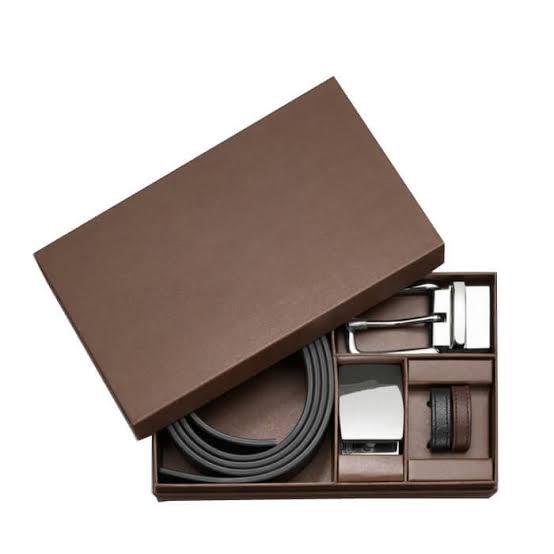
The unboxing process can influence how customers perceive a product before they even use it. For products such as watches, jewelry, fragrances, accessories, premium gifts, and specialty items, the packaging can become part of the overall experience.
Custom leather boxes offer a distinctive option for businesses that want a more substantial packaging format. Their exterior texture, structured construction, opening style, interior lining, and product placement can all be planned around the item inside.
A memorable unboxing experience does not require excessive decoration. It often comes from small details that make the opening process feel organized and intentional.
Choose a Leather Finish That Fits the Product
The outer material is one of the first things customers notice.
Leather and leather-like wrapping materials are available in different textures, grains, colors, and finishes. Smooth surfaces can create a clean appearance, while textured finishes can provide more visual and tactile detail.
The choice should relate to the product.
For example, a watch box might use a simple dark exterior with minimal printing, while a gift collection could use a lighter color and more decorative details.
Businesses should also decide whether genuine leather, bonded leather, PU leather, or another leather-look material is appropriate for the packaging requirements and budget.
Select the Right Box Structure
The structure determines how the customer interacts with the box.
Different options include:
Lift-Off Lid Boxes
These use a separate lid that is removed from the base. They can create a simple opening sequence and work well for jewelry, watches, and gift products.
Magnetic Closure Boxes
A magnetic closure allows the lid to open smoothly while keeping the box securely closed during storage.
Drawer-Style Boxes
A drawer structure creates a different opening experience, with the inner tray sliding out from the outer shell.
Book-Style Boxes
These open similarly to a book and can provide space for a product on one side and information or accessories on the other.
The best structure depends on the product dimensions and how frequently the box will be opened.
Design the Interior Around the Product
The inside of the box is just as important as the exterior.
A product should have a defined position rather than simply being placed inside a large empty cavity.
For watches, a shaped cushion or holder can keep the watch centered. Jewelry can use individual slots or small compartments. Fragrances can sit inside fitted cavities that prevent excessive movement.
Custom inserts can be made from foam, molded materials, paperboard, fabric-covered components, or other suitable materials.
The insert should hold the product securely without making it difficult to remove.
Use Interior Lining to Add Texture
Interior lining can change how the box feels when opened.
Velvet, microfiber, fabric, foam, paper, and other materials can be used depending on the product.
A soft lining can be useful for jewelry or accessories where the product surface needs to avoid unnecessary contact with hard materials.
The lining color can either match the exterior or create contrast. For example, a dark outer box could have a lighter interior to make the product easier to see.
Create a Clear Opening Sequence
A good unboxing experience should feel straightforward.
The customer should understand where to place their hands, how the lid or drawer opens, and where the product is positioned.
Overly complicated closures can make the package frustrating to use. A magnetic closure, ribbon pull, or drawer handle can provide a simple point of interaction without adding unnecessary steps.
For gift products, the opening sequence can also reveal the product gradually.
Add Subtle Branding
Leather boxes do not necessarily need large printed logos.
Branding can be incorporated through:
- Debossed logos
- Foil-stamped marks
- Small metal plates
- Printed interior cards
- Engraved details
- Branded ribbons
A small logo on the lid can be enough to identify the brand while allowing the material and structure to remain the main visual elements.
The branding method should match the material. Embossing and debossing, for example, can create physical detail without adding another printed color.
Include Product Information Inside the Box
The interior can also provide useful information.
A small card can include care instructions, warranty information, product details, authenticity information, or a thank-you message.
For jewelry or leather goods, care instructions can be particularly useful because the customer may need specific information about cleaning and storage.
Keeping this information inside the box also prevents the exterior from becoming crowded with text.
Use Compartments for Accessories
Some products come with several components.
A watch may include a warranty card and adjustment tools. A fragrance gift set may contain multiple bottles. A jewelry collection may include several pieces.
Instead of placing everything loosely inside the box, dedicated compartments can give each component a specific location.
This makes the contents easier to identify and reduces unnecessary movement when the box is handled.
Consider Color Combinations
The combination of exterior and interior colors can influence the overall unboxing experience.
A single-color box creates a consistent appearance, while contrasting colors can make the opening feel more distinctive.
For example, a black exterior with a cream interior creates a clear visual difference. A brown leather-look exterior with a dark interior can create a more understated appearance.
The important point is to keep the color combination connected to the product and existing brand identity.
Choose the Right Size
Box dimensions should be based on the actual product and its accessories.
A box that is much larger than the product can make the item look lost inside. It also requires more material and storage space.
A box that is too small may force the product or insert against the sides.
The ideal size leaves enough room for the product, insert, and any included materials without unnecessary empty space.
Think About Reusability
Some customers may keep a well-made leather box after the original product has been removed.
This can be particularly relevant for jewelry, watches, accessories, and gift products.
If reuse is part of the packaging concept, the box should be strong enough for repeated opening and closing. Interior compartments can also make the box useful for future product storage.
A reusable structure can therefore have a purpose beyond the initial unboxing.
Consider Shipping the Leather Box
A premium presentation box may not be designed to handle the full delivery process on its own.
For online orders, the leather box can be placed inside a corrugated shipping carton with suitable cushioning.
The outer shipping package can absorb much of the handling associated with transportation, while the leather box remains focused on product presentation and storage.
Businesses should test the complete shipping configuration rather than testing only the presentation box.
Balance Premium Details With Practicality
Adding more features does not automatically create a better unboxing experience.
Multiple ribbons, excessive layers, complicated closures, and unnecessary inserts can make the package difficult to open or increase production costs.
Instead, focus on the details that matter for the specific product.
A jewelry box may need a fitted insert and soft lining. A fragrance box may benefit from individual bottle compartments. A watch box may need a dedicated cushion.
The packaging should serve the product rather than overwhelm it.
Test the Complete Unboxing Process
Before producing leather boxes in large quantities, test the entire opening sequence.
Have someone unfamiliar with the packaging open the box and observe where they naturally place their hands and how easily they understand the closure.
Check whether the product is easy to remove, whether accessories stay in place, and whether internal components remain secure after repeated opening.
Also inspect the box after shipping tests to identify scratches, pressure marks, loose components, or damaged corners.
Final Thoughts
Custom leather boxes can create a memorable unboxing experience through a combination of material, structure, product placement, interior lining, and subtle branding.
The exterior sets the initial expectation, but the interior often determines how the customer interacts with the product. A fitted insert, practical closure, useful information card, and carefully chosen colors can make the opening process feel organized without making the packaging unnecessarily complicated.
For businesses considering leather or leather-look boxes, the most important step is to design around the actual product and test the complete unboxing process before moving into bulk production.

 Arabic
 French
 Spanish
 Portuguese
 Deutsch
 Turkish
 Dutch
Dutch
 Italiano
 Russian
 Romaian
 Portuguese (Brazil)
 Greek
Greek